The Tree of Life is one of the most enduring symbols in human history, representing the interconnectedness of all living beings. While its exact origins are debated, it appears across countless cultures as a profound explanation for life’s greatest mysteries.
What does the Tree of Life symbolize? At its core, the symbol represents:
The earliest known depictions of the Tree of Life date back to Ancient Egypt around 3100 BC. In Egyptian mythology, the Acacia tree was considered the sacred Tree of Life.
According to legend, Isis and Osiris, the first divine couple, emerged from this tree. For the Egyptians, it was more than a plant—it symbolized the threshold between life and death and the eternal cycle of existence.
For the Celts, trees were sacred ancestors of mankind. The Celtic Tree of Life symbolizes harmony, balance, and the connection between heaven and earth.
Unlike a physical tree, the Kabbalah Tree of Life is a spiritual map of the human soul. It consists of 10 Sefirot—spiritual energy points such as Wisdom, Kindness, and Beauty— guiding an individual through levels of consciousness.
Historical records from ancient Mesopotamia suggest similar symbolism, where trees were depicted as central religious icons representing divine order and life itself.
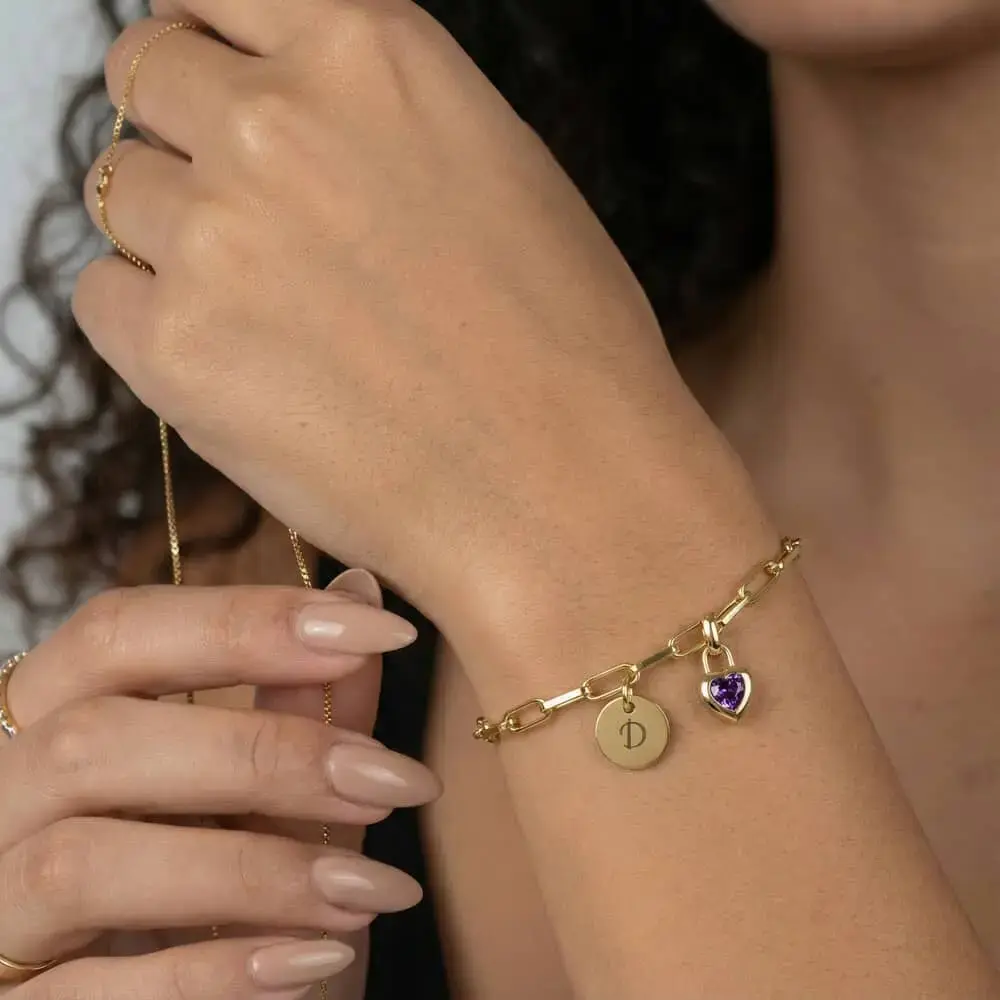
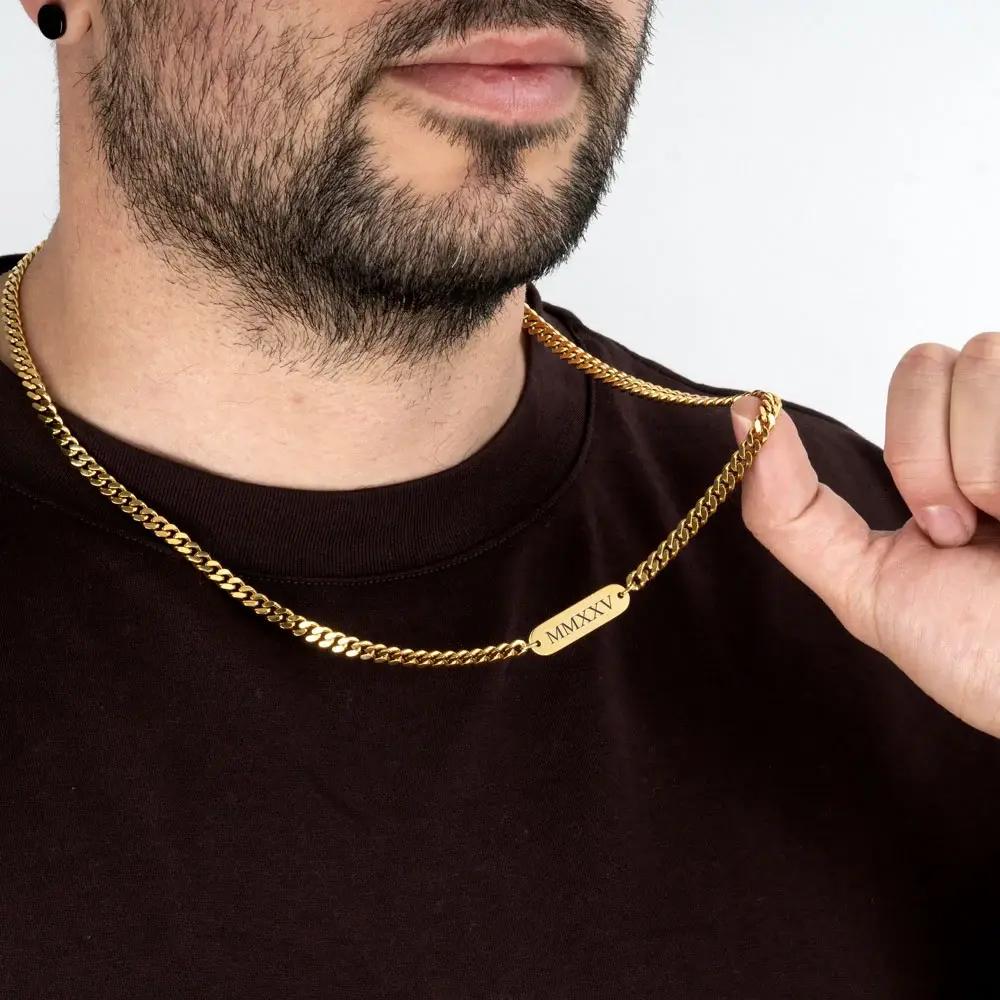
Today, the Tree of Life has moved from ancient mythology into the world of personalized jewelry, becoming a powerful symbol of family heritage and personal growth.
The oldest formal records come from Ancient Egypt around 3100 BC, though prehistoric tree paintings in Indonesia date back as far as 8000 BC.
It represents family heritage, eternal growth, and the deep connection between generations.
In science, the Tree of Life refers to evolutionary relationships between all organisms, illustrating how every species on Earth is genetically interconnected.
The Tree of Life symbolizes interconnectedness, growth, strength, ancestry, and eternal life. It represents the link between the physical and spiritual realms, highlighting personal development and the connection to one's roots and family.
The earliest known depictions of the Tree of Life come from Ancient Egypt around 3100 BC, where the Acacia tree was considered sacred. However, similar symbolism appears in various cultures, including Celtic, Kabbalistic, and Assyrian traditions.
In Kabbalah, the Tree of Life is not a physical tree but a spiritual map of the human soul. It comprises 10 Sefirot, representing spiritual energy points that guide individuals through different levels of consciousness, such as Wisdom, Kindness, and Beauty.
Tree of Life jewelry, such as necklaces, has become a popular symbol of family heritage and personal growth. Family tree necklaces often feature birthstones representing family members, making them meaningful gifts for mothers and grandmothers to express love and devotion.
In Celtic tradition, the Tree of Life (Crann Bethadh) symbolizes harmony, balance, and the connection between heaven and earth. Trees were considered sacred ancestors of mankind, representing a deep link to the natural world.
Tree of Life jewelry makes a thoughtful gift because it represents deep connections, family heritage, and personal growth. It's a stylish and meaningful way to express love, strength, and devotion, especially for mothers and grandmothers who are seen as the 'root' of the family.