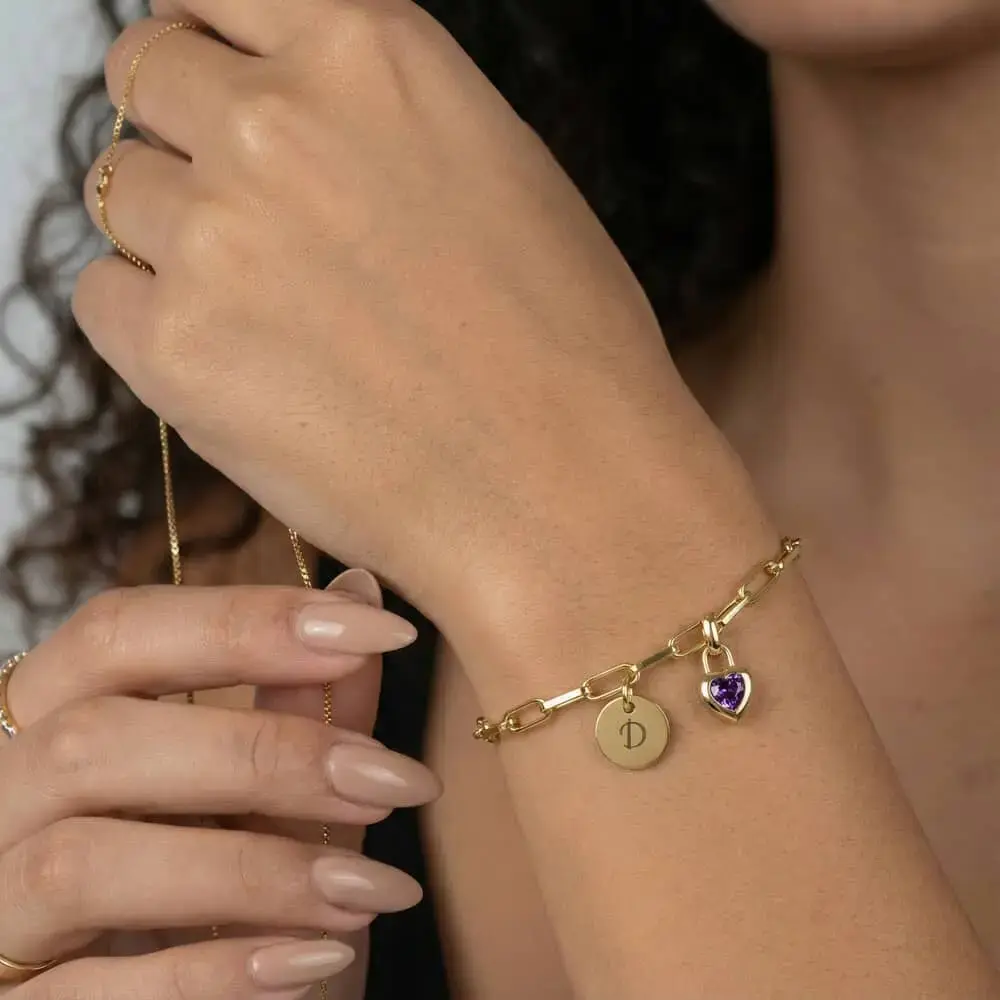
February may be the shortest month of the year, but it comes with two tender birth flowers that both hint at spring on the horizon. The primary February birth flower is the violet, a small, sweetly scented bloom long tied to faithfulness and modesty, while the secondary February birth flower is the primrose, one of the first woodland flowers to open as winter fades. Both are low-growing, early bloomers, and both carry gentle, affectionate meanings that suit a month associated with love and the anticipation of warmer days.
The birth flower for February is the violet (Viola odorata), with the primrose (Primula vulgaris) recognized as the monthu2019s secondary birth flower. The violet is the flower most commonly listed first for February, thanks to its long history as a symbol of loyalty and humble devotion. The primrose complements it as an emblem of young love and new beginnings, blooming just as the earliest signs of spring appear.
The sweet violet is a compact perennial with heart-shaped leaves and delicate, five-petaled flowers that release a famously elusive fragrance. Its scientific name, Viola odorata, literally references its scent. Violets have been treasured since antiquity, appearing in Greek and Roman writing where they were woven into garlands and even used to flavor food and drink.
As Februaryu2019s birth flower, the violet is closely tied to faithfulness, loyalty, and devotion, making it especially fitting for a month centered on love. It also symbolizes modesty and humility, an association captured in the old expression u201cshrinking violet,u201d which describes the floweru2019s habit of tucking its blooms beneath its leaves.
Beyond loyalty and modesty, violets have long represented spiritual wisdom and remembrance. In Greek mythology the flower was connected to several stories of transformation and love, and it later became a favored motif in art and poetry as a symbol of quiet, sincere affection rather than showy passion.
The primrose takes its name from the Latin prima rosa, meaning u201cfirst rose,u201d a reference not to the rose family but to the floweru2019s early appearance in the year. Its pale yellow blooms are among the first to brighten hedgerows and woodland floors, which is why the primrose is so strongly linked with the arrival of spring.
As a February birth flower, the primrose symbolizes young love, new beginnings, and heartfelt devotion. Giving primroses was once understood as a sincere declaration of affection, which pairs naturally with the violetu2019s message of faithfulness.
In European folklore the primrose was associated with protection and with the transition between seasons. It appears in traditional celebrations of springu2019s return and has been used symbolically in literature to represent youth, fragility, and fleeting beauty.
Together, Februaryu2019s birth flowers form a portrait of sincere, enduring affection. The violet contributes loyalty, modesty, and faithful love, while the primrose adds youthful devotion and the promise of new beginnings. For a February birthday, especially one near Valentineu2019s Day, this pairing speaks to heartfelt, unpretentious love rather than grand display.
Though the flower gave its name to a color, violets actually bloom in several shades, each with its own nuance:
Primroses are best known in soft yellow, which reinforces their cheerful message of new love and the return of light after winter.
Violets have a rich cultural history, from ancient Athens, where they were an emblem of the city, to their enduring popularity in Victorian floral traditions, where they conveyed loyal, modest affection. They have also been used in perfumery and confectionery, giving them a place in everyday culture as well as symbolism.
The primrose has its own devoted following, particularly in Britain, where it has been celebrated in poetry and even adopted as a political emblem in the nineteenth century. Its early flowering made it a natural symbol of hope and renewal at the tail end of winter.
The connection is largely seasonal. Both violets and primroses are early bloomers that appear as winter loosens its hold, making them fitting emblems for late winter and the approach of spring. Their gentle, affectionate meanings also align neatly with Februaryu2019s cultural association with love, giving the month two flowers that echo themes of devotion and fresh beginnings.
The violet is generally considered the primary birth flower for February, with the primrose as its recognized secondary flower.
Yes. February is commonly assigned both the violet and the primrose, with the violet listed first.
The violet symbolizes faithfulness, loyalty, modesty, and sincere love, which makes it especially fitting for February.
The primrose symbolizes young love and new beginnings, and was traditionally read as a message of deep devotion.
Violets are best known in purple and blue but also appear in white and yellow, while primroses are most familiar in pale yellow.
The primrose is one of the earliest flowers to bloom, appearing in late winter, which links it to February and the approach of spring.
Explore the full series in our guide to Birth Flowers by Month.
February has two birth flowers: the violet (Viola odorata) and the primrose (Primula vulgaris). The violet is the primary February birth flower, symbolizing loyalty, faithfulness, and modesty, while the primrose is the secondary birth flower, representing young love and new beginnings. Both are early-blooming flowers that reflect the transition from winter toward spring.
The violet symbolizes faithfulness, loyalty, devotion, and modesty, making it a meaningful flower for the month of Valentine's Day. It also carries associations with spiritual wisdom and remembrance, appearing throughout Greek and Roman mythology as a symbol of quiet, sincere affection. The phrase 'shrinking violet' comes from the flower's habit of hiding its blooms beneath its leaves.
The primrose symbolizes young love, new beginnings, and heartfelt devotion. Its name comes from the Latin prima rosa, meaning 'first rose,' referring to its early appearance at the end of winter. In European folklore, giving primroses was considered a sincere declaration of affection, and the flower has long been associated with the arrival of spring and the promise of renewal.