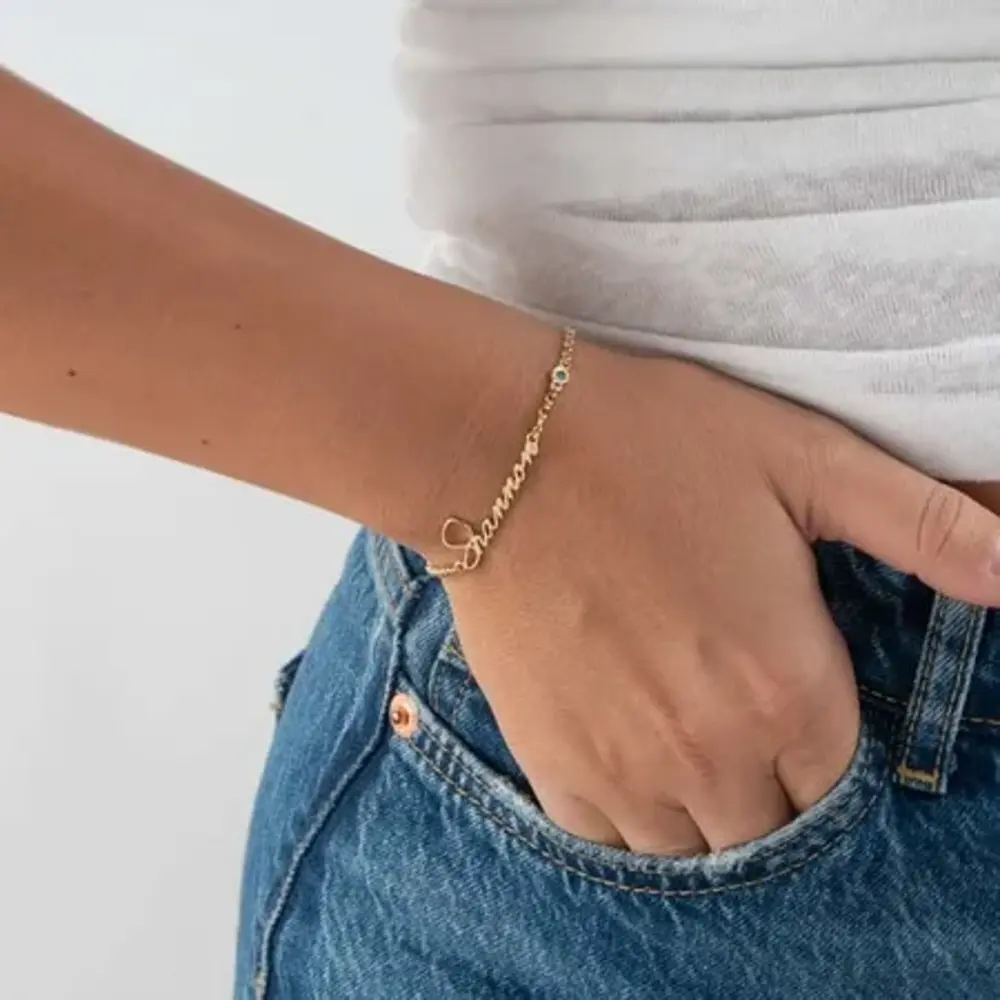
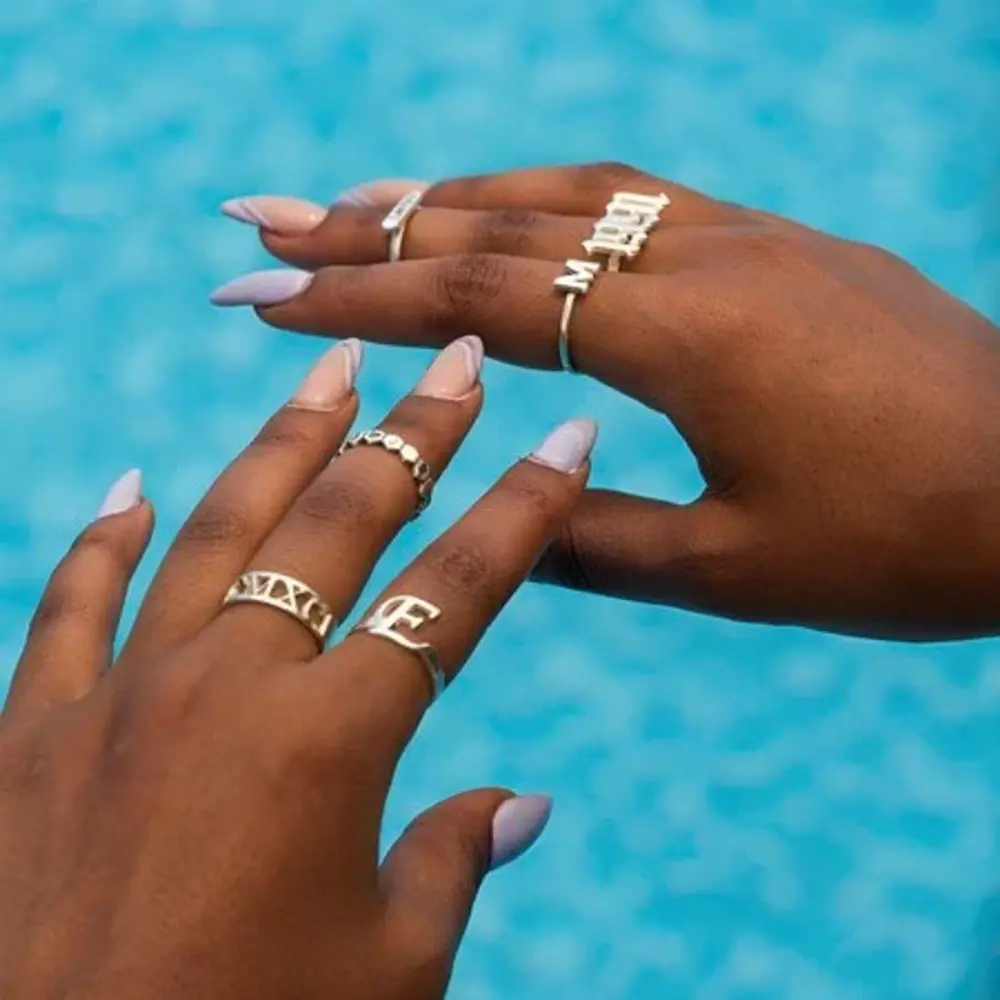
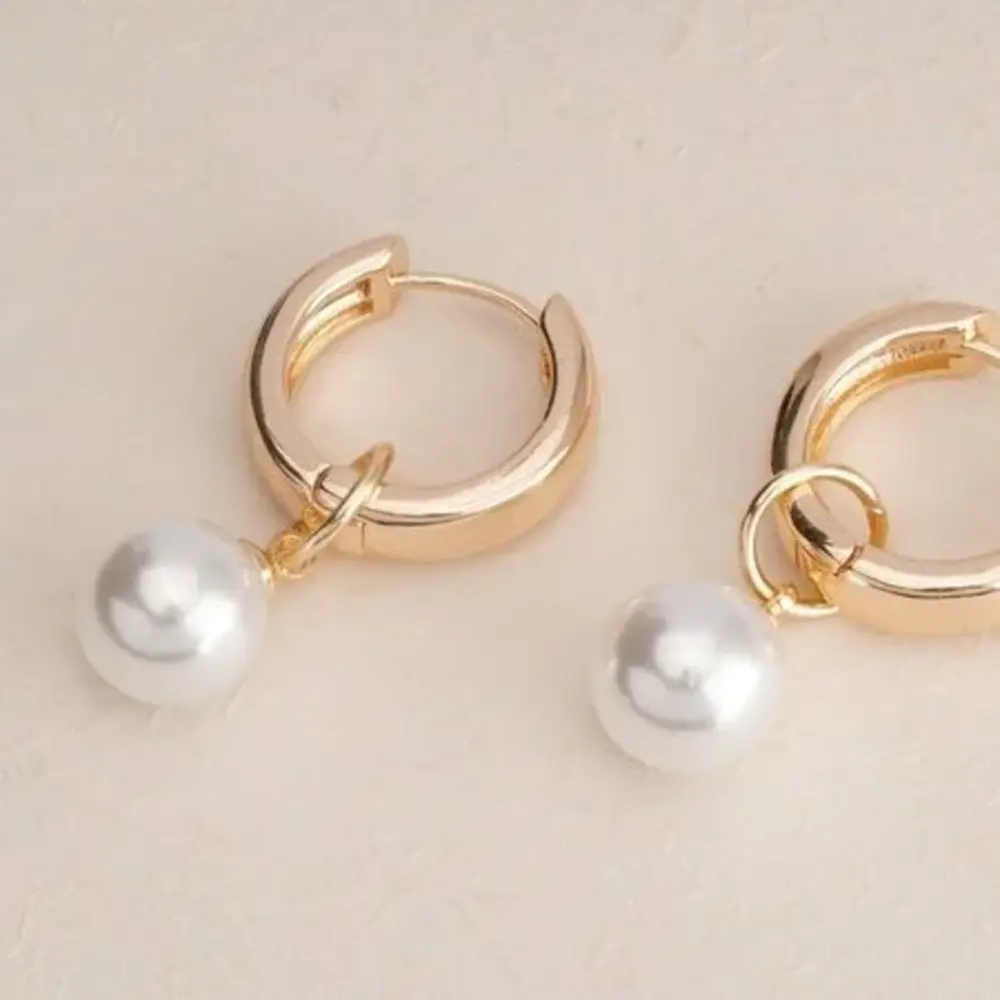
24k Gold Plated
 14k White Gold
 Rose Gold
 Sterling Silver
 14k Gold
 Birthstone
 Cubic Zirconia
 Leather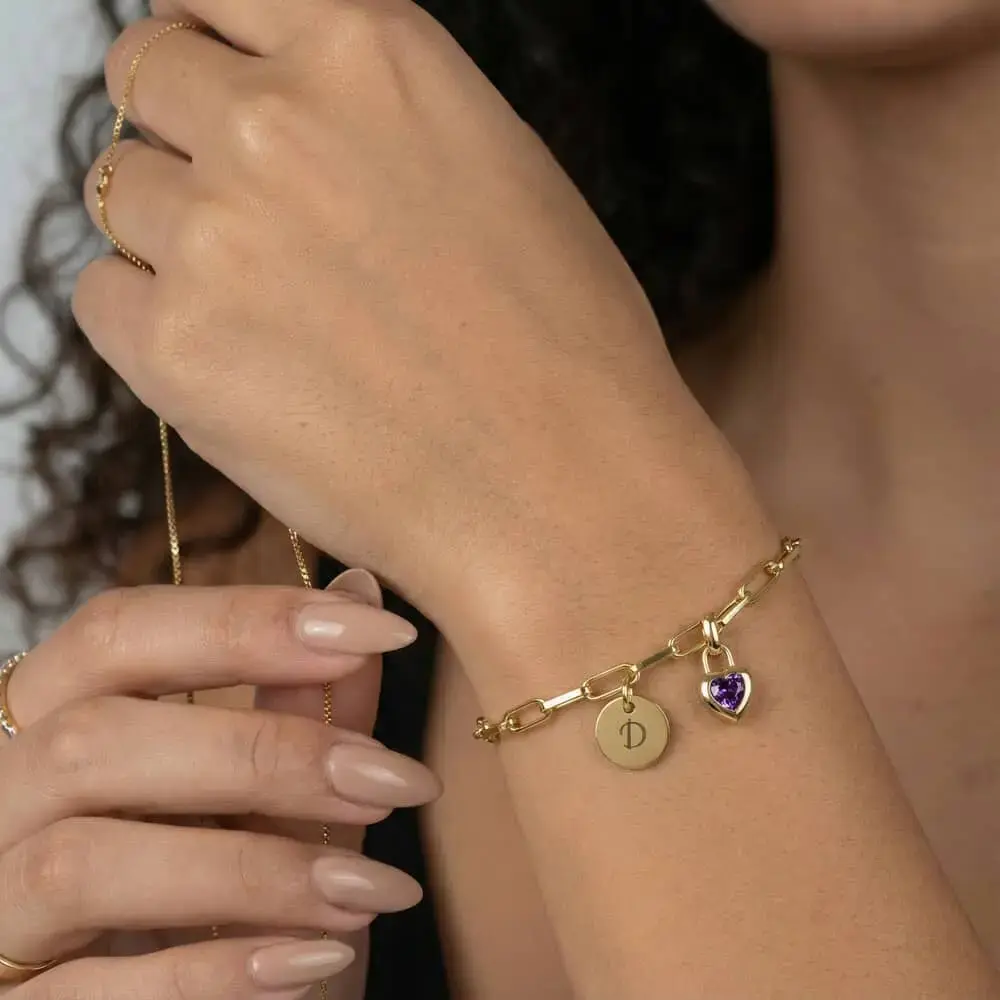

 Opal Jewelry





Gemini: Dates, Personality Traits and Compatibility
| Dates | May 21 – June 20 |
| Symbol | The Twins |
| Element | Air |
| Modality | Mutable |
| Ruling planet | Mercury |
| Opposite sign | Sagittarius |
| Birthstone | Pearl (also agate, citrine) |
| Colours | Yellow, light green |
| Lucky numbers | 5, 7, 14, 23 |
| Lucky day | Wednesday |
| Brightest star | Pollux |

Gemini is the third sign of the zodiac and the only one that is plural. Every other sign is a single figure, a ram, a bull, a lion, a set of scales. Gemini is two people, and almost everything true about the sign follows from that.
The lazy reading of the Twins is duplicity: the smiling face and the other face. It is also wrong. The Twins are not one person pretending to be two. They are one person capable of holding two positions at once and finding both genuinely interesting. That is a thinking style, not a character defect.
Gemini Dates
Gemini runs from May 21 to June 20: the last third of May and almost all of June. The boundary can shift by a day at either edge depending on the year and birth time.
- Born May 19–21? You are on the Taurus–Gemini boundary. Check your birth year and time.
- Born June 19–21? You are on the Gemini–Cancer boundary.
Cusps matter more here than elsewhere. Mercury never strays far from the sun, so a late-Taurus birth often has Mercury already in Gemini, a Taurus who thinks like a Gemini.
Gemini Personality Traits
Mercury rules Gemini: the planet of language, exchange and transit, the thing that moves between two points rather than occupying either. A Gemini's relationship to the world is conversational by default. They usually do not know what they think until they hear themselves say it.
Being a mutable air sign explains the rest. Air deals in ideas; mutability means the shape keeps changing. A Gemini can argue a position with conviction on Tuesday and the opposite one on Friday. They were not lying on Tuesday. They tested the idea, found the seam, and moved. Most signs treat changing their mind as a defeat. Gemini treats it as the point of having one.
Gemini Strengths
- Quick. Not merely clever: fast. They spot the flaw in an unfamiliar argument before the speaker has finished it.
- Genuinely curious. They ask follow-up questions and listen to the answers. Rarer than it sounds.
- Adaptable. Drop them into a room of strangers or a foreign city and they have a working map by the weekend.
- Articulate. Mercury's gift. They find the exact word, often the funny one, at the right moment.
- Open-minded. They hold ideas loosely enough to examine one before deciding whether they are for or against it.
- Socially fluent. They can talk to almost anyone and, the part people miss, enjoy it rather than perform it.
Gemini Weaknesses
- Scatters. Six projects at 40% completion is a recognisably Gemini situation. Things get dropped, and other people pick them up.
- Talks instead of doing. Articulating a plan feels so much like progress that the plan never gets executed.
- Emotionally evasive. They meet a difficult feeling with a joke or an analysis. Over years it costs them real intimacy.
- Restless with people. Once they have worked someone out the interest drops away, and they are not graceful about hiding it.
- Unreliable on promises. They mean it when they say it. Whether the version of them that exists on Thursday still cares is another matter.
The Gemini Man
Talkative, funny and harder to know than his openness suggests. The Gemini man has a wide circle of acquaintances and very few people who know what is actually going on with him. He gives away information constantly, opinions, facts, stories, almost none of it personal.
He is drawn to people who keep up and do not need him to be one settled thing. What he resists is being interpreted: the partner who explains him to himself, kindly and confidently, is the one he stops calling.
The Gemini Woman
Fast, funny and rarely still. The Gemini woman keeps several social worlds that do not overlap, a real appetite for other people's lives, and a way of asking direct questions that would be rude from anyone less interested.
She is routinely underestimated and does not appear to mind, being read as light is useful cover for someone paying close attention. Boredom is not a mild inconvenience to her. It is the thing she organises her life around avoiding.
Gemini in Love and Relationships
Gemini falls in love through conversation. Attraction matters, but the deciding factor is whether the person is worth talking to at two in the morning, and whether they still will be in a year. A Gemini forgives a great deal. Boredom is not on the list.
The early stage is dazzling: attentive, witty, full of questions. What follows is harder, because sustained intimacy means sitting still with a feeling, and that is exactly the Gemini weak point. A Gemini who stays has decided rather than drifted.
Gemini Best Matches
- Libra: the other social air sign. Both live for the exchange, and Libra brings a warmth that keeps it from becoming purely a game.
- Aquarius: air with a fixed spine. Unbothered by Gemini's need for room, and interesting enough to hold attention for decades.
- Aries: supplies the follow-through Gemini lacks. Aries finishes things; Gemini makes the process funnier. Neither one sulks.
- Leo: secure enough not to read Gemini's sociability as a threat, and gives the sign what it rarely gets: an audience that stays.
Gemini Hardest Matches
- Virgo: the mutable square, and awkwardly both are ruled by Mercury. Same planet, opposite settings: Virgo wants it correct and finished, Gemini wants it open.
- Pisces: Pisces needs to be felt with, not analysed. Gemini's instinct to explain a mood rather than share it lands as coldness.
- Sagittarius: the opposite sign: enormous attraction and a shared allergy to being pinned down. Both reserve the right to leave, and both notice the other doing it.
Gemini at Work
Gemini is at its best where the problem is new and the answer is not obvious. Give them an ambiguous brief and permission to improvise and they return with something nobody had considered. Give them the same task twelve times and the quality decays by the fourth.
The signature strength is translation: making something complicated comprehensible to someone outside it. A Gemini is the person a technical team sends to talk to the client. The signature weakness is the long middle of a project, after the interesting problem is solved and before it is finished.
Fields that suit them: writing, journalism, teaching, sales, public relations, broadcasting, translation, law, comedy, anything that involves explaining one group of people to another.
The Gemini Constellation
Gemini is marked by two bright stars sitting close together, Castor and Pollux, the heads of the twins, their bodies trailing down towards Orion. One of the few constellations that genuinely resembles its name. Best viewed from the northern hemisphere in winter and early spring, high overhead.
There is a quiet irony here. Castor holds the alpha designation, traditionally reserved for a constellation's brightest star, but Pollux is the brighter of the two. Pollux is an orange giant about 34 light years away, the closest giant star to our sun. Castor, roughly 49 light years off and dimmer to the eye, is a system of six stars: three pairs, each a binary. The twin that looks simple is the complicated one.
The myth is better still. Castor and Pollux were brothers, but only Pollux was immortal. When Castor was killed, Pollux asked Zeus to let him give away half his own immortality rather than spend eternity without his brother. Zeus set them both in the sky. The Twins are not a story about a divided self, but about refusing to be separated.
Gemini Birthstone and Colours
The pearl is the stone most associated with Gemini, and the only major birthstone made by a living creature rather than by geology, built in thin layers around something that began as an irritation. Agate is the older folk association and citrine appears on modern June lists. Agate arguably suits the sign better: no two pieces are banded alike.
The Gemini colours are yellow and light green: Mercury's brightness and the late-spring greens of the weeks the sign covers. Both sit well against yellow gold, and a pearl on a fine chain is one of the few pieces equally correct at a desk and at a dinner.
Famous Geminis
- Marilyn Monroe: June 1
- Bob Dylan: May 24
- Prince: June 7
- Paul McCartney: June 18
- Angelina Jolie: June 4
- John F. Kennedy: May 29
- Morgan Freeman: June 1
- Naomi Campbell: May 22
- Venus Williams: June 17
- Chris Evans: June 13
Note the top of the list: Norma Jeane became Marilyn, Robert Zimmerman became Bob Dylan, and Prince spent seven years as an unpronounceable symbol, three people who treated identity as something you author rather than something handed to you.
Wearing the Twins
If you are buying for a Gemini, or you are one, Castor and Pollux make an unusually good pendant, because this is one of the few constellations legible at small scale: two bright points and a clean line between them. Pearl against yellow gold is the traditional route, and it holds up. See our zodiac necklace collection for the sign as a constellation, a glyph and an engraved charm.
For the full picture of how Gemini fits alongside the other eleven, read our guide to the 12 zodiac signs.
Have a Question?
What are the Gemini dates?
May 21 to June 20, with a possible one-day shift at either edge depending on the year.
What is Gemini's element?
Air, in its mutable form: thought that circulates rather than thought that settles. Gemini shares the air element with Libra and Aquarius.
Are Geminis really two-faced?
No, and the stereotype rests on a misreading of the symbol. The Twins represent holding two ideas at once, not two faces for two audiences. What people react to is a Gemini changing position mid-conversation, or shifting register depending on the company. The first is intellectual honesty; the second is what every socially competent adult does. Duplicity requires a hidden intention, and this is the sign least able to keep one quiet.
What is a Gemini's biggest weakness?
Follow-through. Geminis start well, explain brilliantly and lose interest the moment the work turns repetitive. The less flattering version is emotional avoidance: a difficult conversation can be deflected with a joke almost indefinitely, and people eventually stop trying to have it.
What does a Gemini moon mean?
Your moon sign governs your emotional life. A Gemini moon processes feeling by putting it into words, talking it through, writing it down, making it a story. Silence reads as being trapped rather than as peace. Ask these people the same question twice; the real answer comes second.
Who should a Gemini marry?
Astrologically, Libra, Aquarius, Aries and Leo are the smoothest fits. But sun-sign compatibility is one layer of a chart among many, and plenty of long Gemini marriages ignore the list. The more reliable predictor is whether the partner can tolerate a mind that changes without reading it as betrayal.
Can a Gemini and a Scorpio be together?
Yes, but it takes work. The defaults are incompatible: Scorpio goes deep and needs to know where it stands, Gemini goes wide and resists being pinned. Scorpio reads Gemini's lightness as evasion; Gemini reads Scorpio's intensity as surveillance. When it fails, it fails over trust.
Keep exploring