Sterling Silver
 24k Gold Plated
 Rose Gold
 14k Gold
 14k White Gold
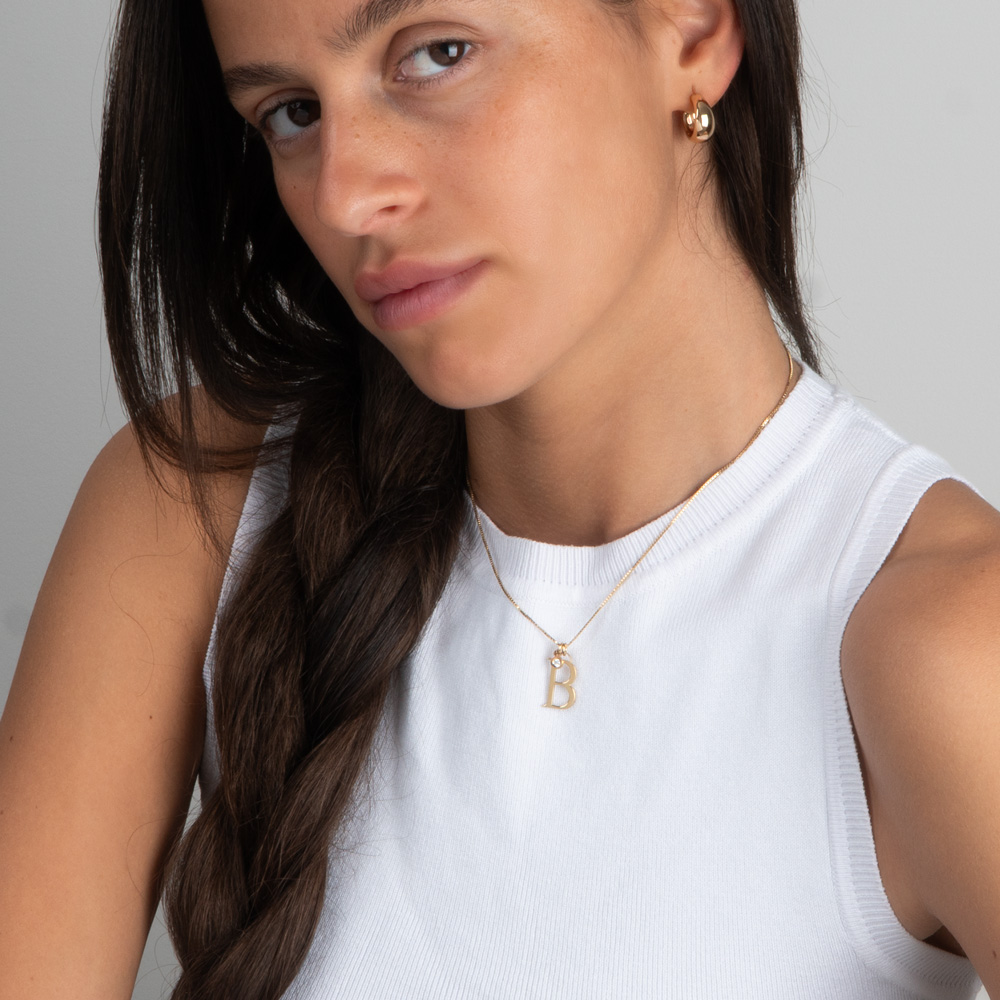
 Birthstone
 Cubic Zirconia
 Leather
 Opal Jewelry




What Is Hanukkah? History, Sources and Traditions of the Festival of Lights
Every winter, Jewish homes around the world glow a little brighter, one candle at a time. Hanukkah, the Festival of Lights, is an eight-night celebration of courage, faith and the belief that even a small light can push back a great deal of darkness. In this guide we explain what Hanukkah is, where its story comes from (including the ancient sources that tell it), how families celebrate it today, and when to light the candles in 2026.
- Begins: Sundown, Friday, December 4, 2026
- Ends: Nightfall, Saturday, December 12, 2026
- Hebrew dates: 25 Kislev to 2 Tevet 5787
- Length: 8 nights
- The name means: "Dedication"
- Also spelled: Chanukah, Hanukah, Chanukkah
What Is Hanukkah?
Hanukkah (in Hebrew, חנוכה) is a Jewish holiday that commemorates the rededication of the Second Temple in Jerusalem in the 2nd century BCE, after a small group of Jewish fighters known as the Maccabees reclaimed it from the Seleucid Greek empire. The word itself means "dedication." The holiday begins on the 25th day of the Hebrew month of Kislev and lasts eight nights, so on the everyday calendar it usually falls in late November or December.
At its heart, Hanukkah celebrates two miracles. The first is a military one: the few defeating the many. The second is a spiritual one: a single jar of pure oil that kept the Temple menorah burning for eight days. That is why the central ritual of the holiday is light.
The History of Hanukkah: The Maccabees and the Temple
In the 2nd century BCE, the Land of Israel was ruled by the Seleucid Empire, one of the Greek kingdoms that rose after the death of Alexander the Great. Around 167 BCE, King Antiochus IV Epiphanes outlawed core Jewish practices such as keeping Shabbat, circumcision and studying the Torah, and he turned the Holy Temple in Jerusalem into a shrine to the Greek gods.
Resistance began in the village of Modi'in, where an elderly priest named Mattathias (Matityahu in Hebrew) refused to offer a pagan sacrifice. He and his five sons fled to the hills and started a revolt. After his death, his son Judah, nicknamed "Maccabee" (a name often explained as "hammer"), led a small and poorly equipped army to a series of unlikely victories.
Around 164 BCE the Maccabees retook Jerusalem. They cleansed the Temple, built a new altar and rededicated it on the 25th of Kislev with eight days of celebration. That rededication is the event Hanukkah marks every year.
The Miracle of the Oil
According to the Talmud, when the Maccabees entered the Temple they found that almost all of the olive oil had been defiled. Only one small jar still carried the seal of the High Priest, enough to light the menorah for a single day. Preparing new pure oil would take eight days. Miraculously, the one-day supply burned for all eight, and a year later the sages established those eight days as a festival of praise and thanksgiving.
This story is the reason Hanukkah lasts eight nights, the reason we light candles, and the reason so many Hanukkah foods are fried in oil.
Where Does the Story Come From? The Sources of Hanukkah
Unlike Passover or Sukkot, Hanukkah does not appear in the Torah, because its events took place many centuries after the Torah was given. The story reaches us through several ancient texts, and each one adds a different piece of the picture.
1. The First Book of Maccabees
Written in the late 2nd century BCE, most likely in Hebrew originally, this is the account closest in time to the events themselves. It describes the persecution under Antiochus, the revolt led by Mattathias and his sons, and the rededication of the Temple. It records that Judah and the whole assembly decreed that the days of dedication be celebrated every year for eight days, starting on the 25th of Kislev, with joy and gladness.
Reference: 1 Maccabees, chapters 1 to 4 (the rededication appears in 4:36 to 4:59)
2. The Second Book of Maccabees
A Greek-language work that summarizes an earlier five-volume history by Jason of Cyrene. It retells the purification of the Temple and explains that the eight days were celebrated in the manner of Sukkot (the Feast of Tabernacles), a holiday the fighters had been unable to celebrate while hiding in the mountains and caves.
Neither book of Maccabees is part of the Hebrew Bible. Both were preserved in the Septuagint, the ancient Greek translation of the Bible, and they are included in Catholic and Orthodox Christian Bibles, which is one of the reasons this history survived.
Reference: 2 Maccabees 10:1 to 10:8
3. Josephus, Antiquities of the Jews
The 1st-century Jewish historian Flavius Josephus tells the story of the Maccabean revolt in detail. He notes that in his day the festival was already called "Lights," and he suggests the name reflects the freedom that appeared to the people beyond all their hopes.
Reference: Josephus, Antiquities of the Jews, Book 12, chapter 7
4. Megillat Taanit
An early list, compiled around the 1st century CE, of joyful dates on which fasting and public mourning were not allowed. It lists the 25th of Kislev as the start of the eight days of Hanukkah, showing the holiday was already well established by then.
Reference: Megillat Taanit, entry for 25 Kislev
5. The Babylonian Talmud, Tractate Shabbat
The Talmud asks a simple question, "What is Hanukkah?", and answers with the story of the single jar of oil that burned for eight days. The same passage records the famous debate between the schools of Shammai and Hillel. Shammai taught to light eight candles on the first night and remove one each night, while Hillel taught to start with one and add one every night. Jewish practice follows Hillel, based on the principle that in matters of holiness we go up, not down.
Reference: Babylonian Talmud, Shabbat 21b
6. The Al HaNissim Prayer
"For the Miracles" is a prayer added to the daily Amidah and to the Grace After Meals throughout Hanukkah. It thanks God for delivering the many into the hands of the few and for the purification of the Temple, keeping the story of the Maccabees alive in daily prayer.
Reference: the traditional Jewish prayer book (Siddur)
How Hanukkah Is Celebrated Today
Lighting the Menorah (Hanukkiah)
The Hanukkah menorah, called a hanukkiah, has eight branches for the eight nights plus one extra holder for the shamash, the "helper" candle used to light all the others. One candle is lit on the first night, two on the second, and so on until all eight burn together on the last night. Candles are placed in the menorah from right to left and lit from left to right, so the newest candle is always lit first. Blessings are recited before lighting, and on the first night a third blessing, Shehecheyanu, gives thanks for reaching this season.
Traditionally the menorah is placed in a window or near the front door, facing the street. The idea, known as pirsumei nisa, is to publicize the miracle so anyone passing by can see the lights.
Foods Fried in Oil
To honor the miracle of the oil, Hanukkah tables are full of fried treats. Latkes, crispy potato pancakes served with applesauce or sour cream, are a favorite in Ashkenazi homes. In Israel, bakeries fill their windows with sufganiyot, jelly-filled doughnuts dusted with powdered sugar. Many Sephardic families enjoy bimuelos, light fried dough puffs drizzled with honey or syrup.
Spinning the Dreidel
The dreidel is a four-sided spinning top marked with the Hebrew letters Nun, Gimel, Hei and Shin. Together they stand for "Nes Gadol Haya Sham," meaning "a great miracle happened there." In Israel the last letter is Pe instead of Shin, for "Nes Gadol Haya Po," meaning "a great miracle happened here." Players use chocolate coins, nuts or candy, and the letter the dreidel lands on tells you whether to take from the pot or add to it.
Gelt and Gifts
Hanukkah gelt (Yiddish for "money") began as a custom of giving coins to children and teachers. Today it often comes as chocolate coins wrapped in gold foil. In many families, especially outside Israel, small gifts are exchanged on each of the eight nights, which makes Hanukkah a wonderful time for presents that carry real meaning.
Prayer and Song
During Hanukkah, Al HaNissim is added to the prayers and Hallel, a set of psalms of praise, is recited every morning. After the candles are lit, many families sing Maoz Tzur ("Rock of Ages") and Haneirot Halalu ("These Lights").
Hanukkah 2026: Candle Lighting Night by Night
In 2026 Hanukkah arrives early, beginning at sundown on Friday, December 4. Because both the first and the eighth nights fall on a Friday, the Hanukkah candles on those evenings are lit before sundown and before the Shabbat candles. On Saturday night, December 5, the candles are lit only after Shabbat ends.
| Night | Evening of | Candles (plus the shamash) |
|---|---|---|
| 1st night | Friday, December 4, 2026 | 1 |
| 2nd night | Saturday, December 5, 2026 | 2 |
| 3rd night | Sunday, December 6, 2026 | 3 |
| 4th night | Monday, December 7, 2026 | 4 |
| 5th night | Tuesday, December 8, 2026 | 5 |
| 6th night | Wednesday, December 9, 2026 | 6 |
| 7th night | Thursday, December 10, 2026 | 7 |
| 8th night | Friday, December 11, 2026 | 8 |
The holiday ends at nightfall on Saturday, December 12. Exact lighting times depend on where you live, so check a local Jewish calendar for sunset times in your city.
Is Hanukkah the "Jewish Christmas"?
Not really. Because it often falls close to Christmas, Hanukkah is sometimes compared to it, but the two holidays have no shared history. In Jewish tradition Hanukkah is actually a minor festival: work is permitted and, as we saw, it does not appear in the Torah. Its popularity grew over the last century, especially in North America, where it became a joyful way for families to celebrate their identity during the holiday season. Its message, standing up for your faith and keeping your light burning, is what makes it so meaningful to so many people today.
Meaningful Hanukkah Gifts Inspired by the Story
Eight nights means eight chances to give something that matters. Jewelry is one of the most lasting Hanukkah gifts, because it carries a symbol, a name or a blessing long after the candles have burned down. Here are some of our favorite pieces from the Jewish jewelry collection.
Magen David Necklace
The Star of David is the best known symbol of Jewish identity, and it makes a natural first-night gift. The Magen David Necklace is a classic, elegant pendant that can be worn every day, a quiet reminder of heritage and pride. You can find more styles in our Star of David necklaces collection.
Hebrew Name Necklace
Few gifts feel as personal as a name written in Hebrew letters. The Hebrew Name Necklace is crafted to order with any name you choose, making it a beautiful gift for a daughter, a granddaughter, a partner or anyone celebrating a bat mitzvah or their first Hanukkah. Browse more designs in our Hebrew name necklaces collection.
Jewish Chai Necklace
Chai means "life" in Hebrew, and its two letters add up to 18, a number that symbolizes good fortune in Jewish tradition. The Jewish Chai Necklace is a meaningful way to wish someone a long and blessed life, and it suits both women and men.
Multiple Hebrew Name Necklace
Hanukkah is a family holiday, gathered around the menorah night after night. The Multiple Hebrew Name Necklace lets mom or grandma carry the names of the whole family in Hebrew, close to her heart all year long.
Personalized Hebrew Hamsa Necklace with Birthstone
The Hamsa is a symbol of protection, and this piece adds a Hebrew name and a birthstone for an extra personal touch. The Personalized Hebrew Hamsa Necklace with Birthstone is a thoughtful gift for a friend, a sister or a new mom. See more in our Hamsa jewelry collection.
Thick Chai Necklace with Rolo Chain
Looking for a Hanukkah gift for him? The Thick Chai Necklace with Rolo Chain has a bold, masculine look that works for a husband, a father, a brother or a son. Explore more pieces in our Chai necklaces collection.
Plan ahead for the first night.
Every Onecklace piece is handcrafted to order, and this year Hanukkah begins on December 4, so we recommend ordering early to have your gift ready in time.
Shop Jewish JewelryShop Hanukkah Gift Categories
Sources and Further Reading
- The First Book of Maccabees, chapters 1 to 4
- The Second Book of Maccabees, 10:1 to 10:8
- Flavius Josephus, Antiquities of the Jews, Book 12, chapter 7
- Megillat Taanit, entry for 25 Kislev
- Babylonian Talmud, Shabbat 21b
- The Al HaNissim prayer, as it appears in the traditional Siddur
Wishing you and your family a happy, bright and meaningful Hanukkah. Chag Sameach!
Have a Question?
What is Hanukkah?
Hanukkah is an eight-night Jewish holiday, also known as the Festival of Lights. It commemorates the rededication of the Second Temple in Jerusalem in the 2nd century BCE, after the Maccabees won their revolt against the Seleucid Greek empire, and the miracle of one day of pure oil that burned for eight days.
When is Hanukkah 2026?
Hanukkah 2026 begins at sundown on Friday, December 4, 2026 and ends at nightfall on Saturday, December 12, 2026. On the Hebrew calendar it runs from 25 Kislev to 2 Tevet 5787.
Why does Hanukkah last eight days?
According to the Talmud, the Maccabees found only one jar of pure oil in the Temple, enough for one day, yet it burned for eight days until new oil was ready. The Second Book of Maccabees adds that the first celebration lasted eight days in the manner of Sukkot.
Where does the Hanukkah story come from?
Hanukkah is not mentioned in the Torah. Its story comes from the First and Second Books of Maccabees, the historian Josephus in Antiquities of the Jews, Megillat Taanit, and the Babylonian Talmud (Shabbat 21b), which tells the miracle of the oil.
What is the difference between a menorah and a hanukkiah?
The menorah of the ancient Temple had seven branches. The Hanukkah menorah, called a hanukkiah, has nine: eight for the nights of the holiday and one for the shamash, the helper candle used to light the others.
What is a meaningful Hanukkah gift?
Jewelry with Jewish meaning makes a lasting Hanukkah gift, such as a Star of David necklace, a Chai necklace that symbolizes life, or a personalized Hebrew name necklace engraved with the name of someone you love.


Keep exploring